
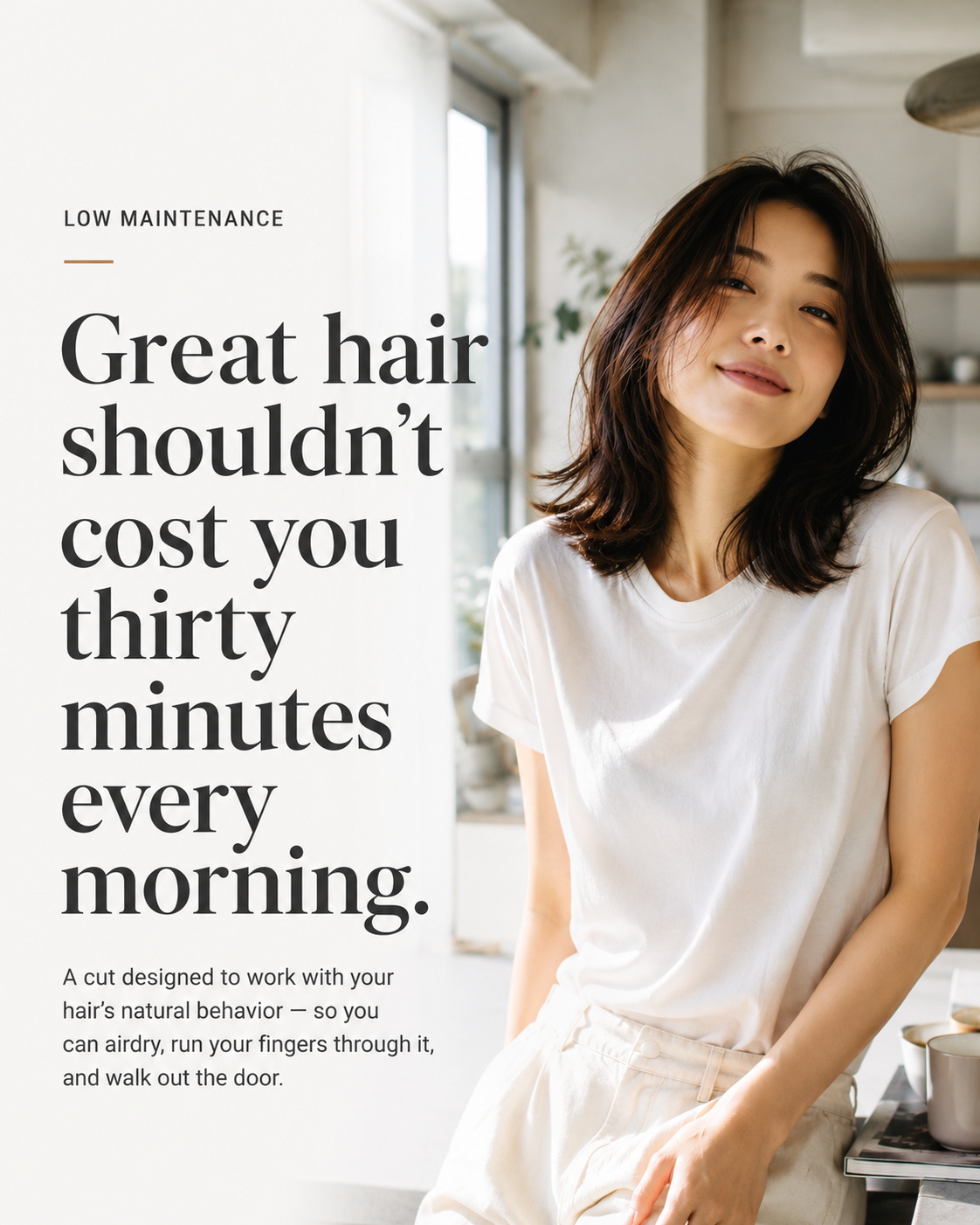
Great hair shouldn't cost you thirty minutes every morning.
Low Maintenance is not a compromise. It's what happens when a stylist understands your hair's natural behavior well enough to design a cut that works with it — not against it. Airdry to 80%, run your fingers through it, walk out the door. 好的髮型不應該每天早上花你三十分鐘。
It isn't the cut. It's the routine the cut forces on you.
A cut that needs a blowout to look like itself isn't a haircut — it's a daily contract. Thirty minutes every morning, a round brush you have to travel with, heat damage compounding week over week, dry shampoo to hide the styling residue from yesterday.
Then the color: bleach that demands a salon visit every six weeks, harsh regrowth lines, and the slow brassiness no toner ever fully fixes. Hair that is being managed, not lived in.
Low Maintenance isn't a smaller version of that life. It's a different system entirely — architecture that does the work so your morning, your products, and your week can shrink.
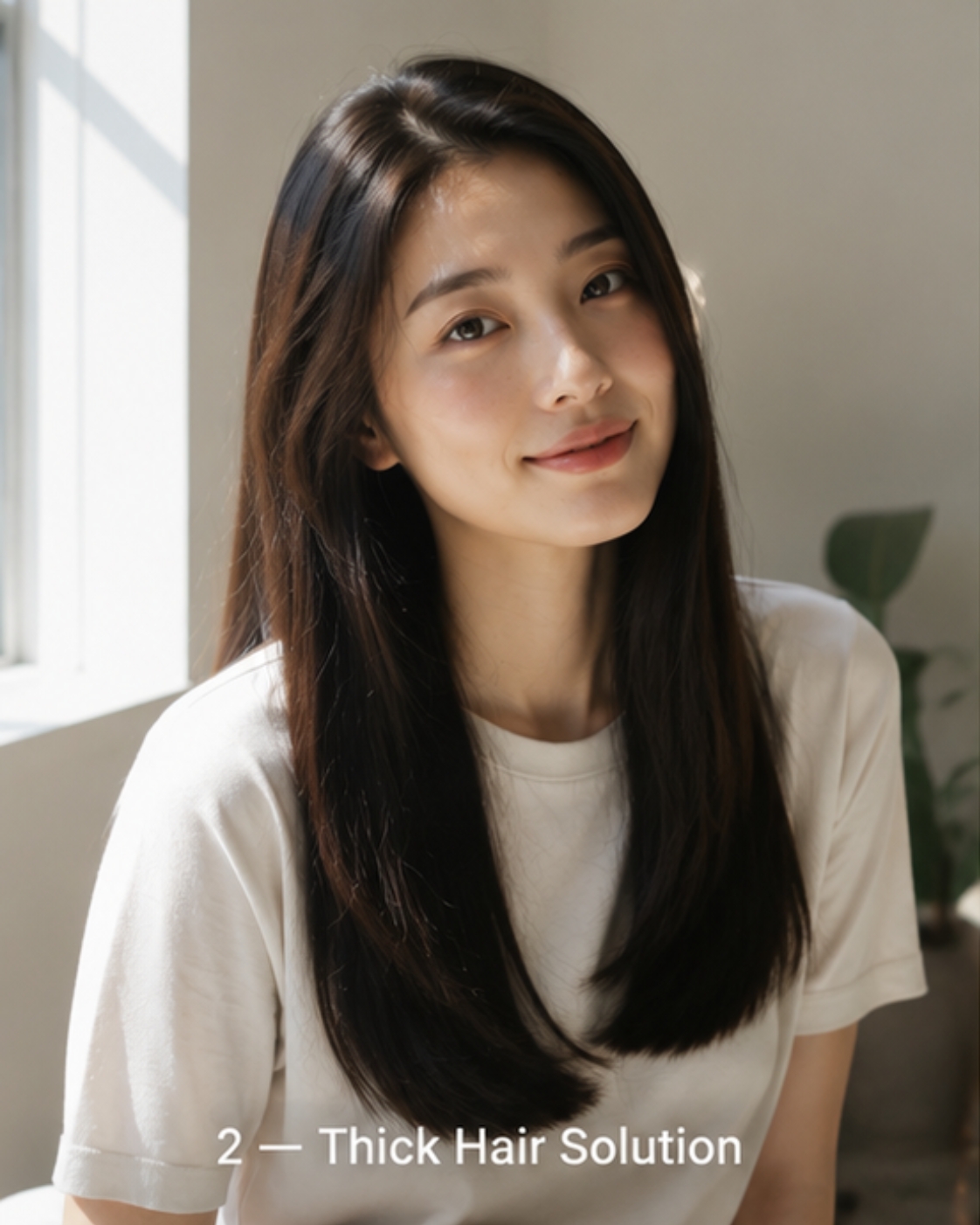
Thick Hair Solution.
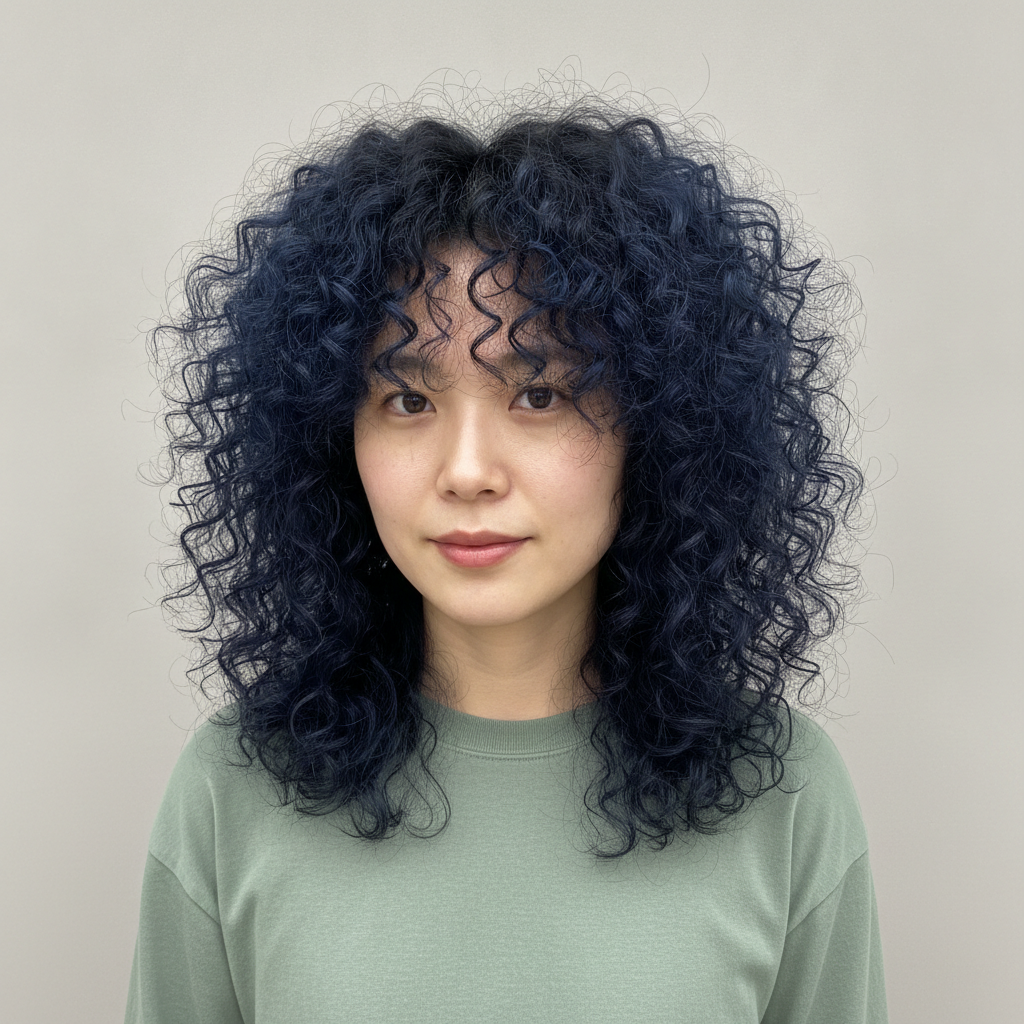
Thick Asian hair becomes high-maintenance when it's cut for shape only and not for weight. The fix is rarely thinning shears — those create halo frizz and uneven regrowth. The real answer is internal weight removal: point-cutting placed inside the shape so the silhouette stays clean and the surface stays smooth, while the density underneath finally has room to fall. Done well, thick hair airdries flat at the surface and full at the root — no diffuser, no straightener, no product to mask the bulk.
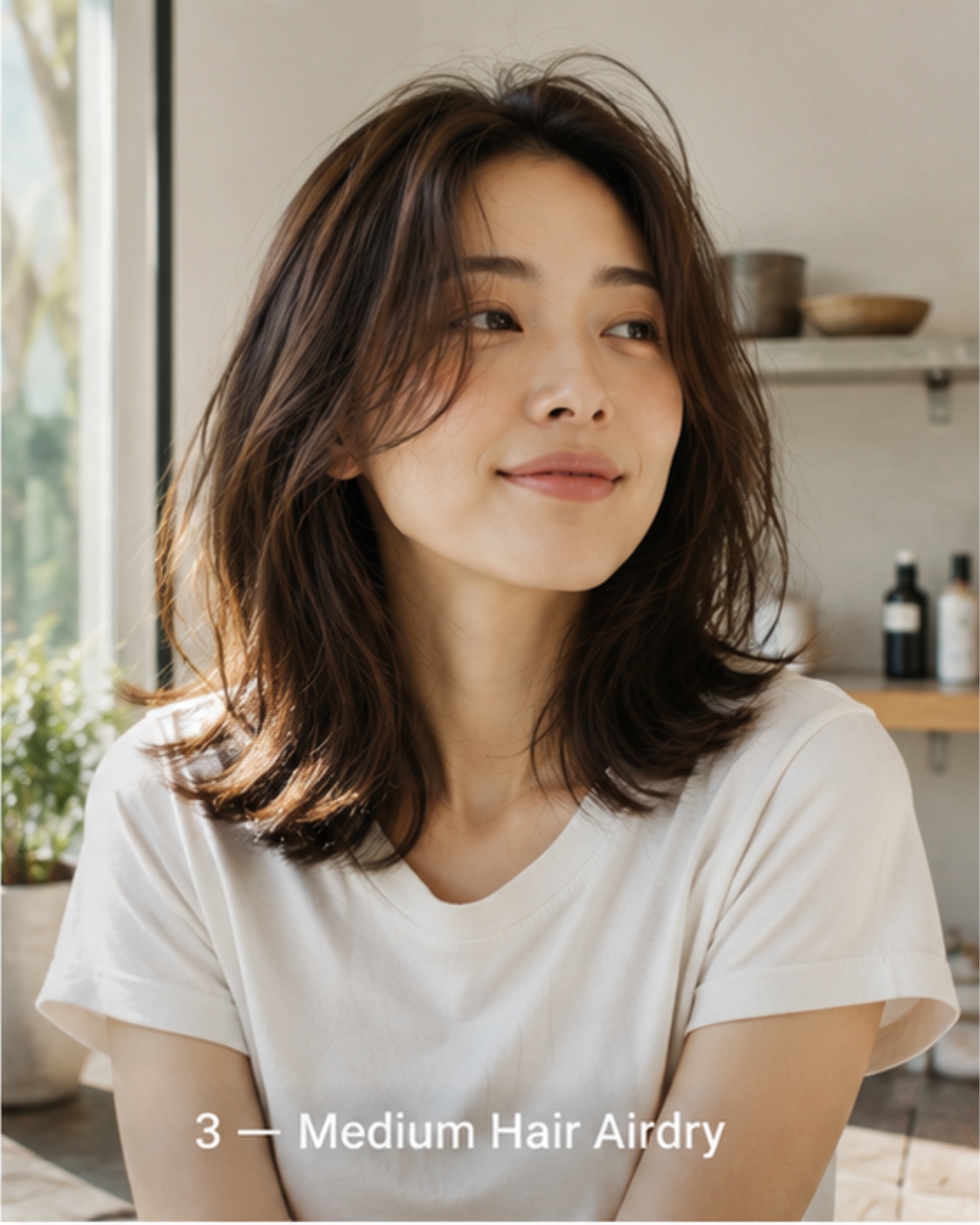
Medium Hair Airdry.
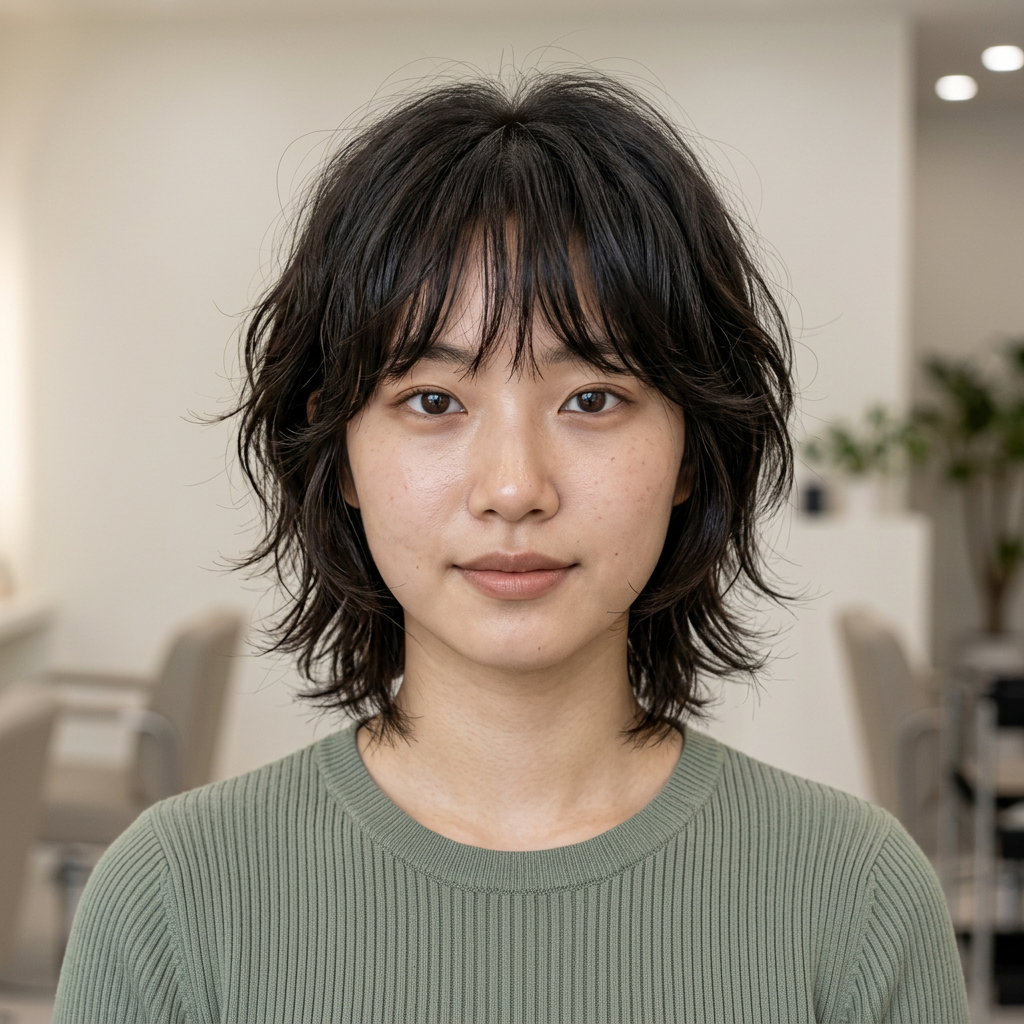
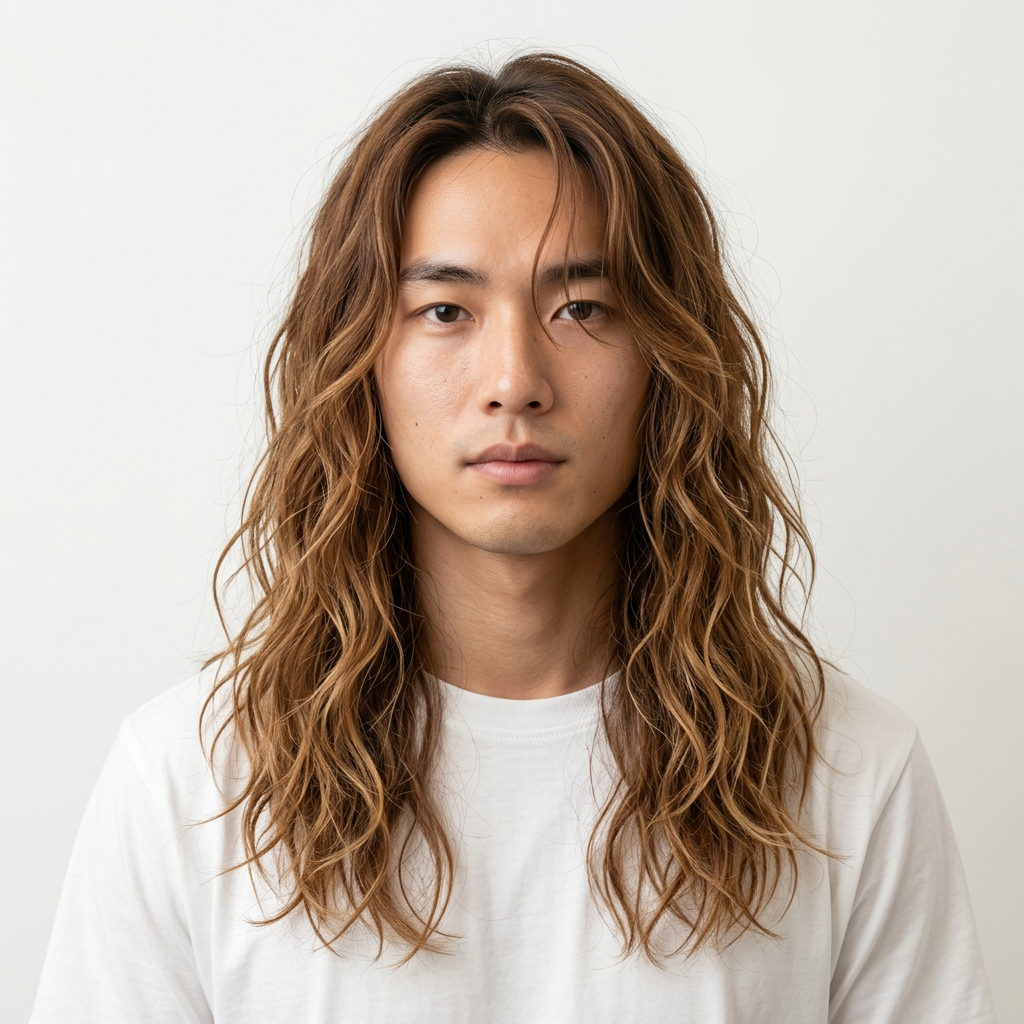
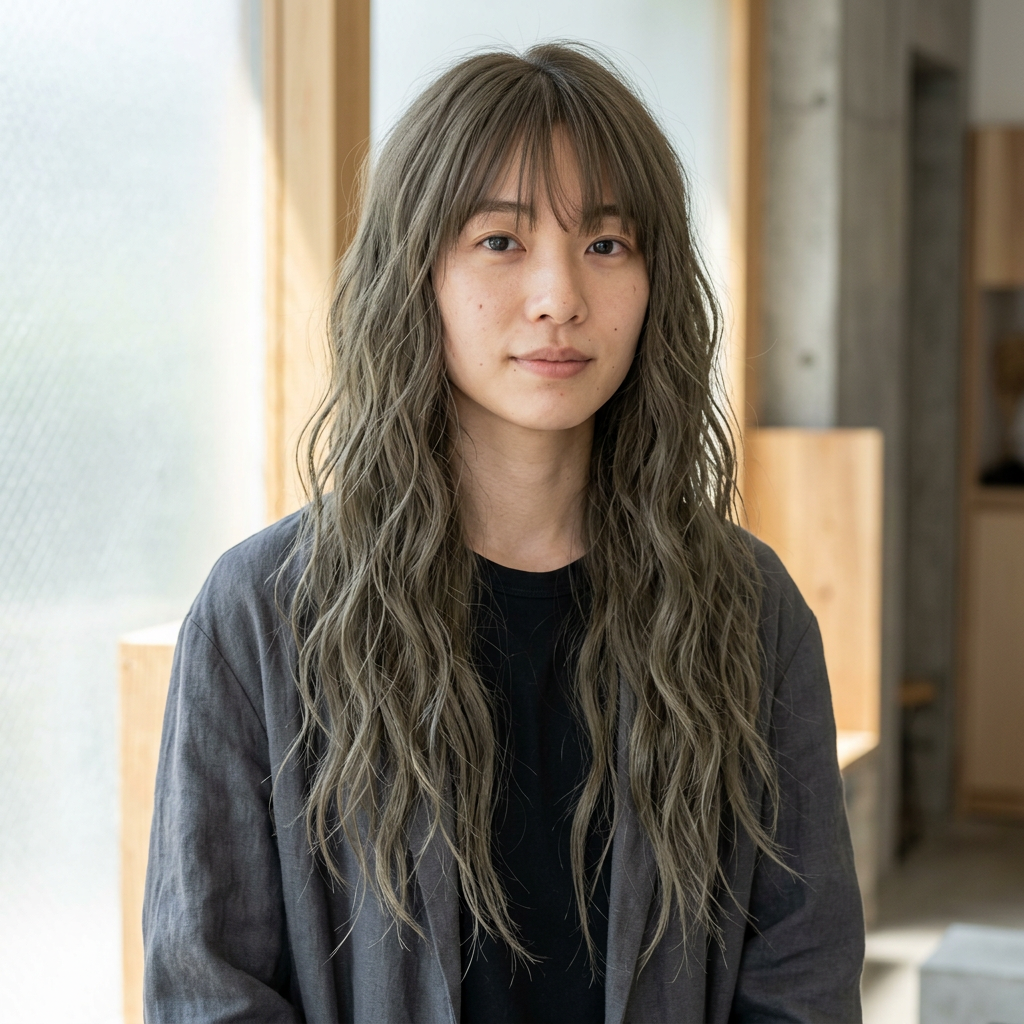
Collarbone to shoulder is the airdry sweet spot for medium-density Asian hair — long enough to read intentional, short enough that natural movement becomes an asset rather than a problem. The cut is long layers with slightly disconnected ends; the perimeter is left to fall where it wants. Most mornings you do nothing. A few minutes of finger-combing and the cut decides the rest.
Fine Hair Volume.
Fine hair gets over-layered constantly — usually by a stylist trying to create movement that fine hair physically cannot hold. The result is wispy ends, visible scalp at the perimeter, and a permanent need for volume products. The Low Maintenance answer is the opposite: a blunt or soft-blunt perimeter at chin to collarbone. The straight line creates the illusion of density without a single product, and the shorter length lets the natural lift at the root finally show.
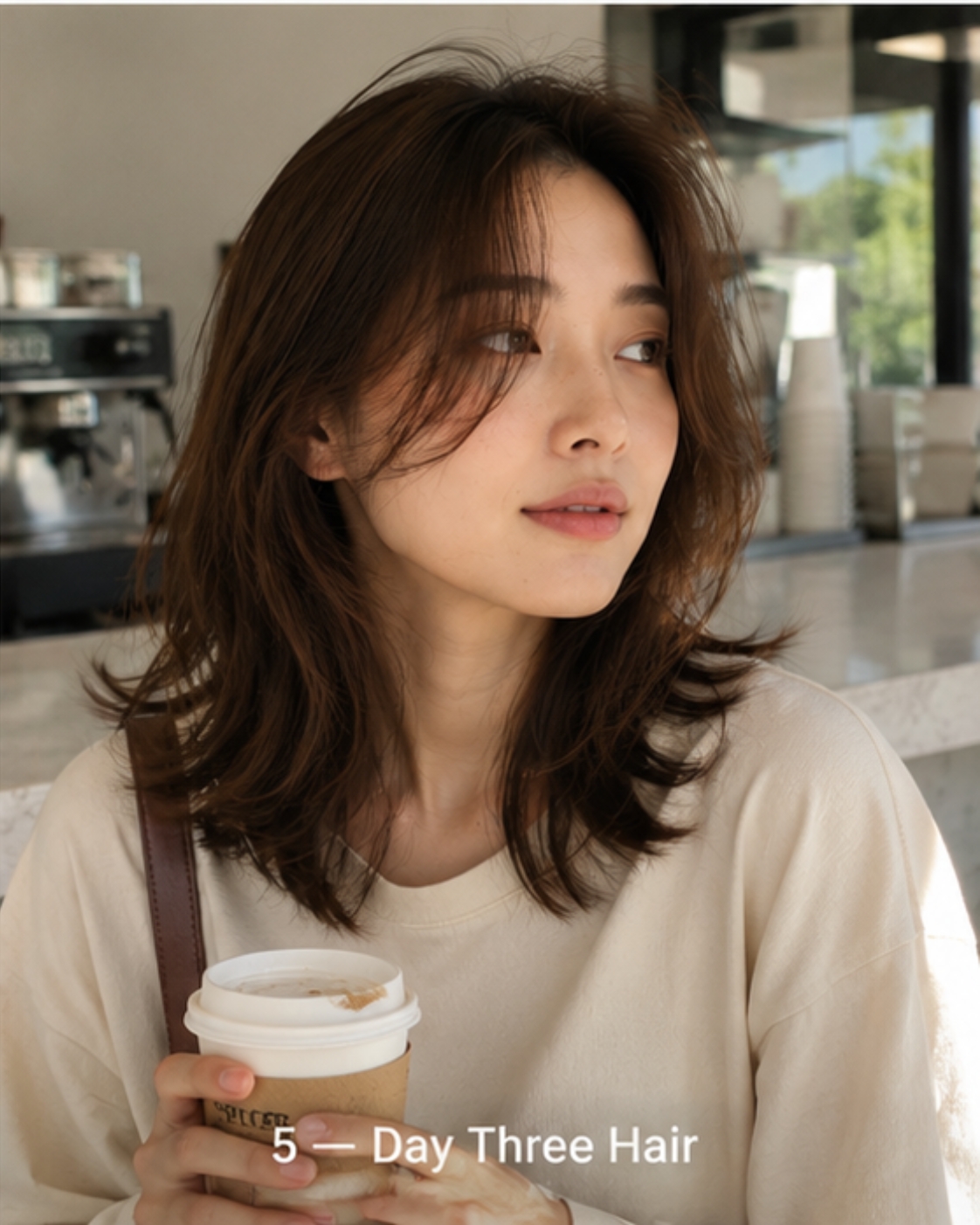
Day Three Hair.
The true test of a haircut isn't the day you leave the salon. It's day three — after a workout, a humid commute, a flight, a night on a hotel pillow. A real Low Maintenance cut survives that arc without intervention. The shape holds. The ends behave. There is no emergency dry shampoo, no detour to a straightener. If the cut only works the day it's blown out, it isn't low maintenance — it's a cut you have to maintain every morning to keep alive.
What Low Maintenance actually is.
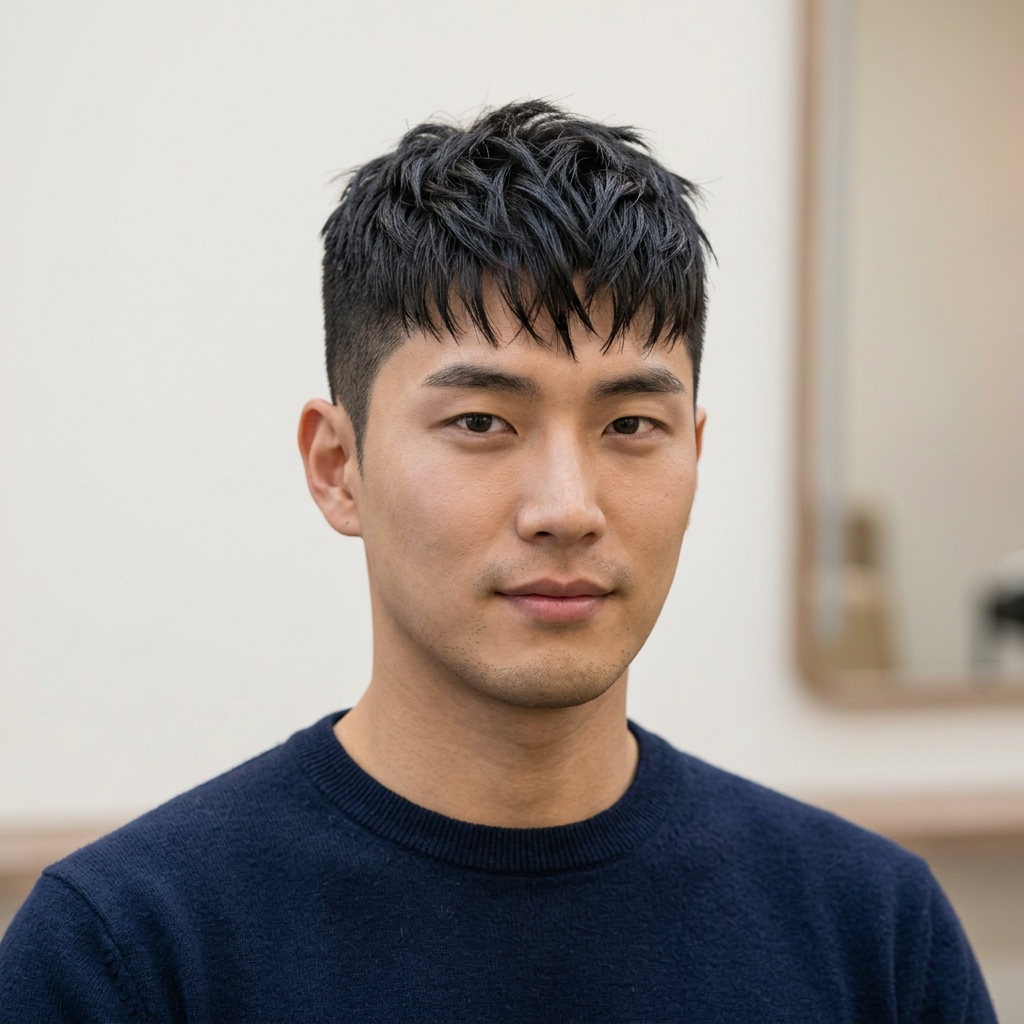
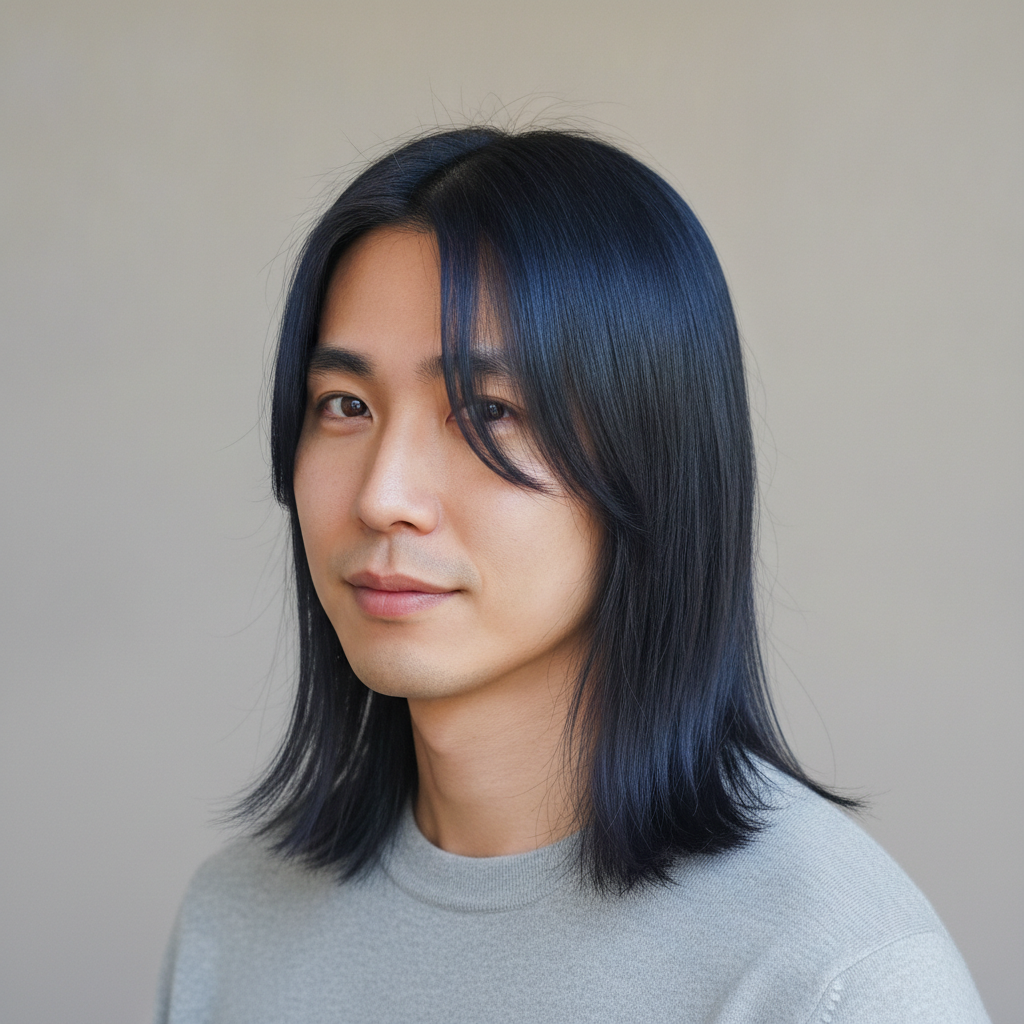
Low Maintenance is a design philosophy, not an aesthetic category. It can look like a clean bob, a long one-length cut, a textured mid-length, or a precision collarbone cut. What makes it Low Maintenance is not the silhouette but the decisions made during the cut — how the weight is distributed, where the layers fall, what length allows airdrying to work with the hair's natural movement rather than fighting it.
The core principle: a truly low-maintenance cut is cut for the hair's behavior on day two, day three, and day four — not just the day it's blown out at the salon. This requires a stylist who asks how you dry your hair before they pick up the scissors. Most don't. The ones who do change how you think about your entire morning.
For Asian hair specifically there is additional nuance. Asian hair is heavier and more resistant to wave than European hair — styles that airdry beautifully on other textures can fall flat or look unfinished on Asian hair without the right internal structure. A good low-maintenance cut for Asian hair accounts for this weight, and either works with it (using the natural fall as the shape) or removes it strategically (internal layers that lighten without changing the external silhouette).
省時美髮是一種設計哲學,不是一個外觀類別。讓它「省時」的不是輪廓,而是剪裁過程中做出的決定——重量如何分佈、層次在哪裡落下、什麼長度讓自然乾能配合頭髮的天然流動感而不是對抗它。真正省時的剪裁是為第二天、第三天、第四天的頭髮剪的,不只是吹整那天。
Cut directions by hair type.
Low maintenance looks completely different depending on what's actually growing out of your head. Find your hair type below — the wrong recommendation is what made your last cut high-maintenance in the first place.
Thick Straight Hair
- Best Length
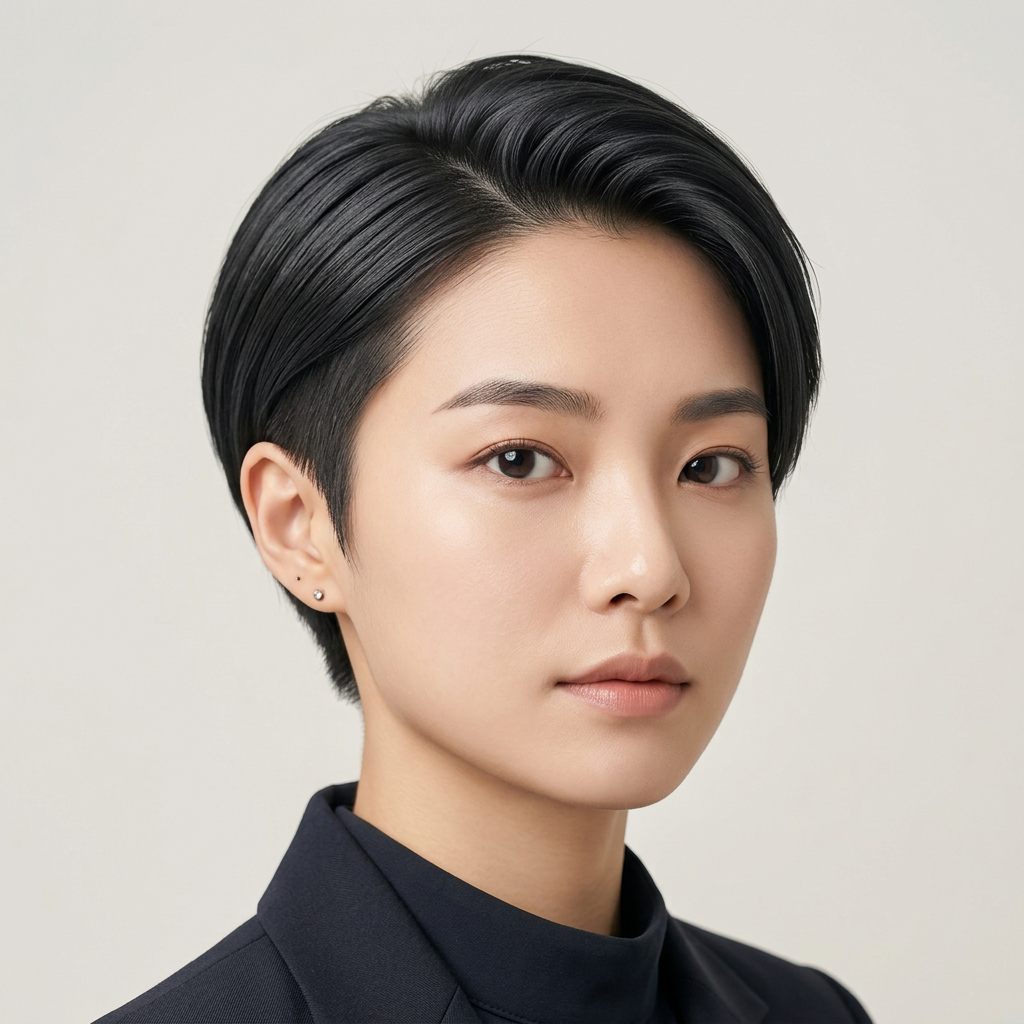
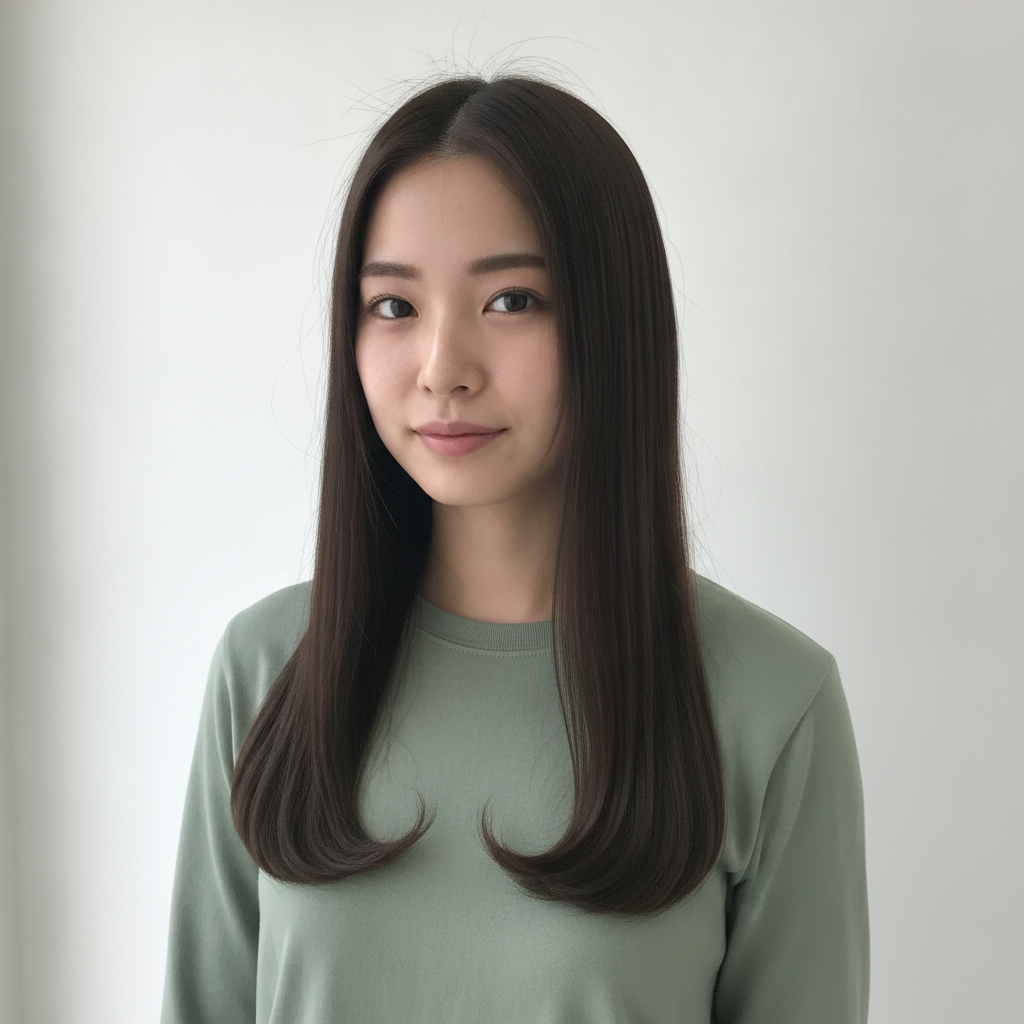
- Collarbone or below — long enough for the weight to pull it flat and sleek naturally.鎖骨或以下——夠長讓重量自然拉平、形成光滑垂墜。
- Cut Direction
- Blunt or nearly blunt ends with internal layer thinning — removes bulk without changing the silhouette.平剪或接近平剪的收尾,配合內部打薄——去除蓬鬆感但不改變輪廓。
- Avoid
- Too many short layers — they create frizz and poof on thick straight hair, not shape.太多短層次——在又厚又直的頭髮上會製造炸毛和蓬鬆,不是形狀。
- Color
- No bleach. Single-process or gloss only — anything that compromises the cuticle increases drying time and frizz.不漂白。只做單次染或亮澤護理——任何損傷髮鱗層的都會增加乾燥時間和毛躁。
Medium Hair With Natural Movement
- Best Length
- Collarbone to shoulder — the sweet spot where natural movement becomes an asset rather than a problem.鎖骨到肩膀——天然流動感變成優勢而不是問題的甜蜜點。
- Cut Direction
- Long layers with slightly disconnected ends — gives the airdry result shape and personality.長層次配合微微不相連的收尾——讓自然乾結果有形狀和個性。
- Avoid
- Blunt ends at shoulder length — they read heavy or dated on medium-thickness hair.肩膀長度的平剪——在中等厚度頭髮上看起來顯重或顯舊。
- Color
- Shadow root or lived-in color — low maintenance color that grows out gracefully without frequent touch-ups.Shadow root 或 lived-in 色——低維護的染色,長出來好看而不需要頻繁補色。
Fine / Low Density Hair
- Best Length
- Chin to collarbone — less weight pulling fine hair flat means more natural volume at the root.下巴到鎖骨——較少重量壓平細髮,根部有更多天然蓬鬆感。
- Cut Direction
- Blunt bob or soft-blunt collarbone — the blunt perimeter creates the illusion of density without volume products.平剪鮑伯或柔和平剪鎖骨長——平剪收尾創造密度的視覺感,不需要蓬鬆產品。
- Avoid
- Heavy layering — it thins fine hair further and creates wispy, unfinished ends that look high-maintenance.大量層次——進一步稀疏細髮,製造稀薄、未完成的髮尾。
- Color
- Single-process warm toner — adds dimension and warmth without bleach damage that makes fine hair harder to manage.單次暖色調染——不用漂白增加層次感和溫度。
Three colors. All grow out gracefully.
Natural Black + Gloss Only
The ultimate low-maintenance option — no color at all, just a monthly Olaplex or Japanese gloss treatment that amplifies surface shine and reduces frizz. Natural black Asian hair with a proper gloss reads as intentionally styled rather than uncolored.
- Maintenance
- Touch-up: never. Gloss treatment every 10–12 weeks.
- Office Lighting
- Maximum reflective shine. Reads intentional in every light condition.
- Bleach
- No bleach. No regrowth line. No commitment.
Shadow Root Brown
Medium brown applied mid-shaft to ends, with the natural dark root deliberately left — a built-in grow-out zone that looks intentional rather than neglected. The shadow root looks fresh and purposeful at every stage of growth.
- Maintenance
- Touch-up every 12–16 weeks instead of every 6–8. Gloss between.
- Office Lighting
- Dimensional in daylight, warm under interior light. No harsh regrowth line.
- Bleach
- Light lift on mid-lengths only. Roots untouched.
Single-Process Warm Brown
For a clear color change with minimal ongoing commitment. A single-process warm brown applied all-over — no highlights, no balayage, no multi-step technique. Grows out with a soft natural line that blends rather than contrasts.
- Maintenance
- Touch-up every 10–14 weeks. The most approachable color change in the library.
- Office Lighting
- Soft warmth across lighting conditions. Reads natural rather than dyed.
- Bleach
- No bleach required for most Asian bases.
Five-minute face. Looks like ten.
Low Maintenance makeup follows the same logic as Low Maintenance hair: invest in the right tools, streamline the routine, never sacrifice the result. The hair is doing the heavy lifting — the face just needs to show up.
Universal 4-Minute Face
SPF moisturizer with a slight tint · one cream product that doubles as blush and lip · mascara on upper lashes only. Four minutes, three products, works across every color direction below. The minimum viable face for Low Maintenance hair.
For Natural Black + Gloss
Keep the universal routine and add one upgrade: a precise brow fill. Natural black hair with strong groomed brows creates an architectural quality that reads as intentionally minimal — not as too little effort.
For Shadow Root Brown
Warm the cream blush — peachy or terracotta instead of pink — and switch to a warm nude lip. The shadow root's depth pairs best with low-contrast warmth on the face.
For Single-Process Warm Brown
Lean fully warm: bronzed cream blush, coral-nude lip, a wash of warm brown on the lid if you want one upgrade. Cohesion without extra steps.
Four questions to ask your stylist.
Most haircuts fail at the consultation, not the chair. Screenshot this. The answers tell you whether a stylist is cutting for behavior or for the salon mirror.
- 01"How do you usually dry your hair?"「你平常怎麼乾頭髮?」Why it matters ↓
If they don't ask this before cutting, consider it a yellow flag — they're cutting for shape, not for your actual life.
如果他們沒有問這個,把它當作一個黃燈——他們是為形狀而剪,不是為你的真實生活。
- 02"Will this look good on day three without any styling?"「這個造型在第三天不整理還好看嗎?」Why it matters ↓
The answer tells you whether they're cutting for behavior or for the blowout. Honesty here is the most important signal.
答案告訴你他們是為日常行為還是為吹整效果在剪。誠實是最重要的訊號。
- 03"What length will minimize my morning routine?"「什麼長度能讓我的早晨程序最短?」Why it matters ↓
A stylist who knows your hair should be able to answer this specifically — not 'whatever you want.'
了解你髮質的髮型師應該能具體回答這個問題——不是「看你喜歡」。
- 04"If I skip product entirely, what will this look like?"「如果我完全不用產品,這個造型會是什麼樣子?」Why it matters ↓
The real test. Great low-maintenance cuts survive product-free. If the cut needs product to exist, the cut is wrong.
真正的測試。好的省時剪裁能在不用產品的情況下存活。
Designed around your hair, not against it.
Your Morning Reality
You have somewhere between ten and twenty minutes for hair on a typical morning. Sometimes less. You've accepted that a blowout is a special-occasion event, not a daily practice. You wash your hair two to three times a week, let it airdry, and want it to look like you made a choice — not like you ran out of time. You are willing to invest in a great cut. You are not willing to invest in a great cut that requires a great blowout to look like itself.
What Low Maintenance Actually Means For You
It means airdrying to something presentable without diffusing, scrunching, or applying three products in a specific sequence. It means your hair on day three looks like a decision, not a delay. It means no permanent heat tool dependency. It means when you travel — one hotel hairdryer, no diffuser attachment, maybe some humidity — your hair still works. The cut does the heavy lifting so you don't have to.
What You're Not Willing To Sacrifice
Looking put-together. You're not here for 'just acceptable.' Low Maintenance is not the same as not caring — it's caring efficiently. You want to look like you have good hair, naturally. You still want compliments. You still want photos where your hair looks intentional. You just want to achieve all of that without the hair taking over the morning.
- Hair Texture
- Any Asian hair texture — the cut adapts to your behavior, not the other way around.
- Lifestyle
- Ten to twenty minutes for hair on a typical morning. Travel, long days, real schedules.
- Color
- Single-process or gloss only. No bleach commitment. Grows out gracefully.
- Maintenance
- Trim every 8–10 weeks. Gloss every 10–12 weeks. No daily heat styling required.
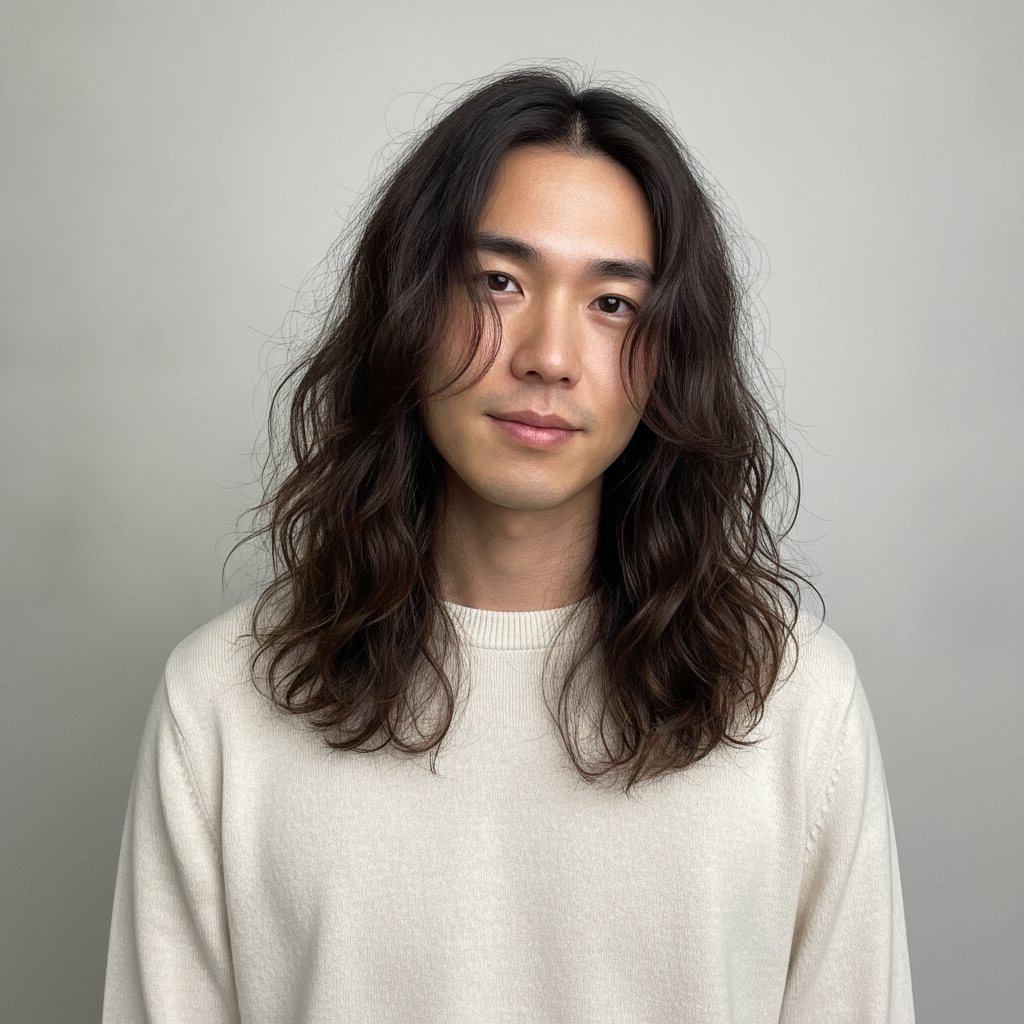
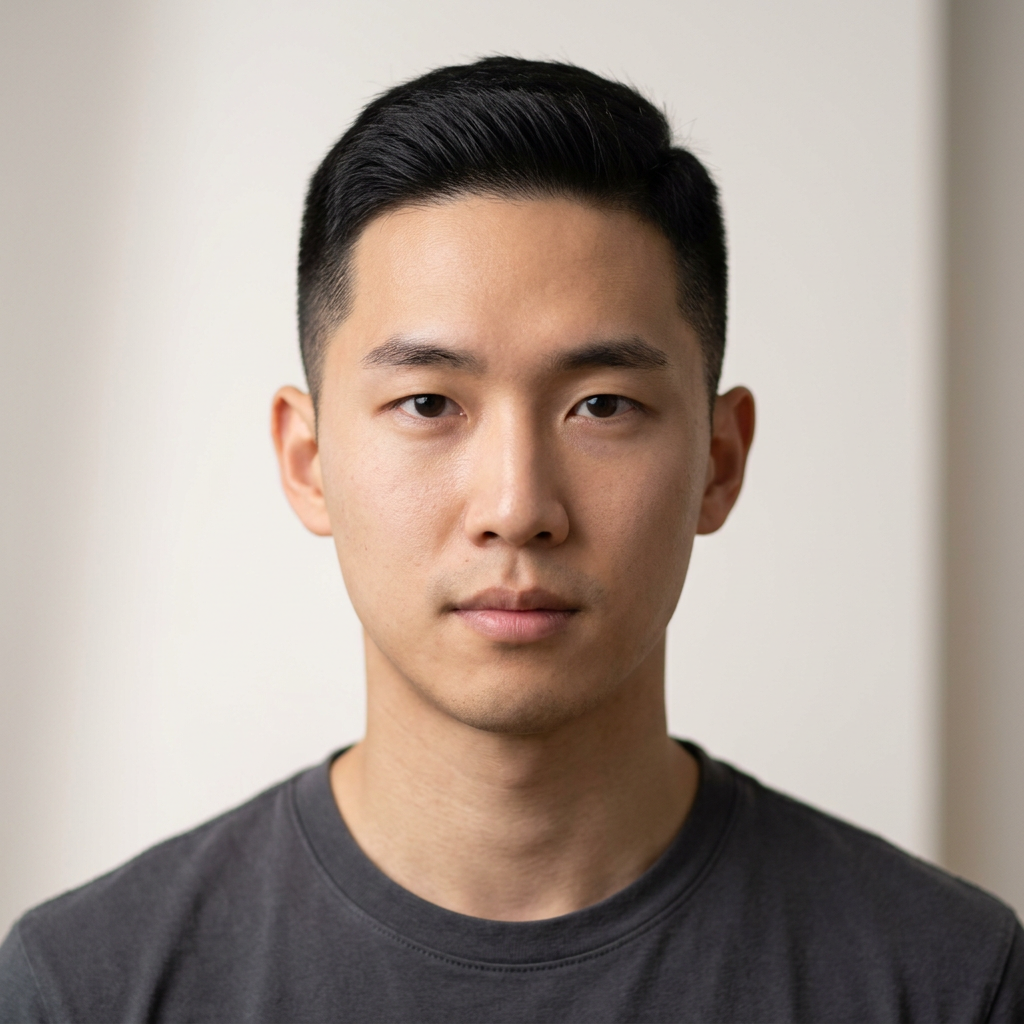
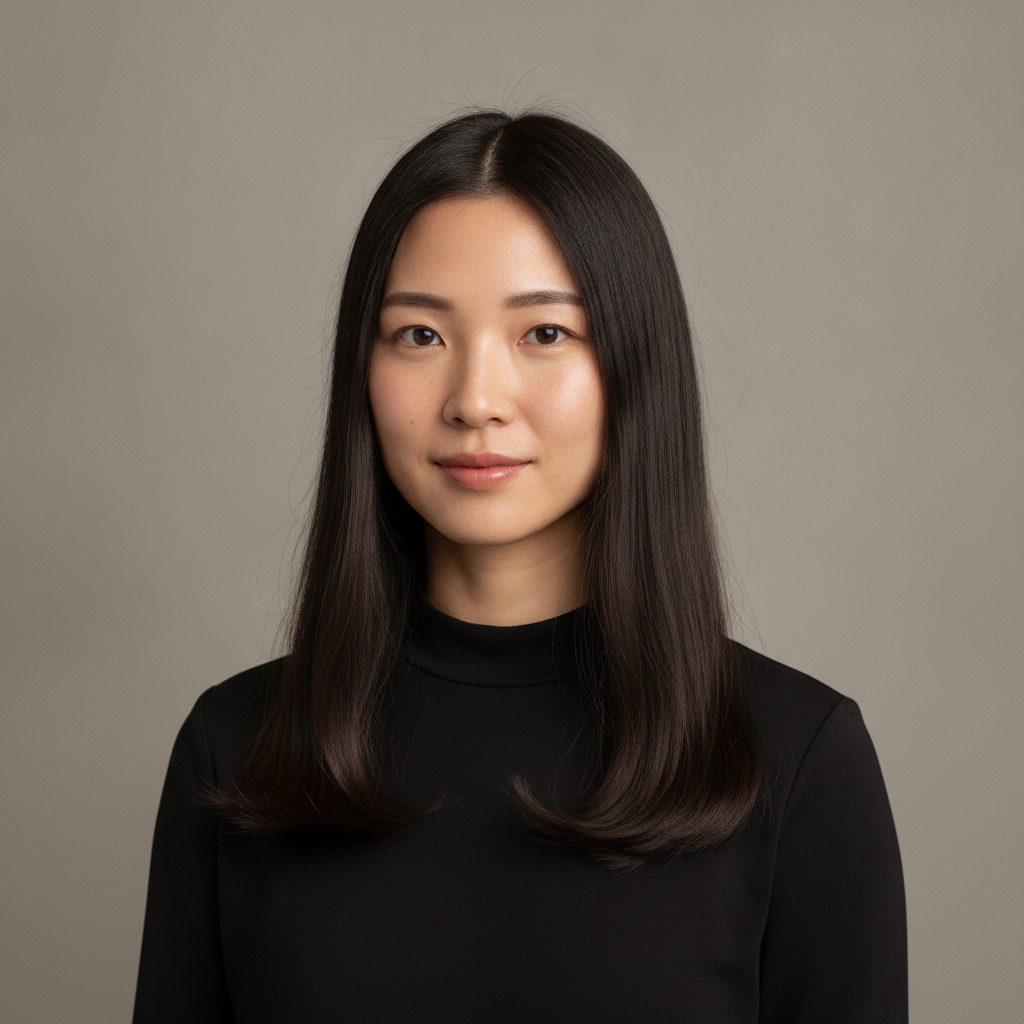
Hairstyles that express it
Shapes that survive real mornings — wash, dry, done.

Specialists who know this look.
- KSan Gabriel, California, United StatesSpecialties: men's haircut · women's haircut · kids haircutLanguages: Chinese
- HLSan Francisco, California, United StatesSpecialties: dyeing · highlight · balayageLanguages: Korean, English
- KLRichmond, British Columbia, CanadaSpecialties: women's haircut · dyeing · balayageLanguages: English, Chinese, Cantonese
Three tests the cut has to pass.
Works on Day Three
The shape still reads on day three after a workout, a humid commute, and a hotel pillow. No emergency dry shampoo. No detour to a straightener.
Survives Travel
One hotel hairdryer, no diffuser attachment, unfamiliar humidity. The cut behaves the same way it does at home — because the architecture, not the product, is doing the work.
Looks Good Without Product
Strip away every styling product and the cut still falls correctly. Product becomes a finishing choice, not a requirement to make the shape exist.
- Browse Low Maintenance stylists in the directory→
- Take the Hair Brief — get the spec for your actual hair→
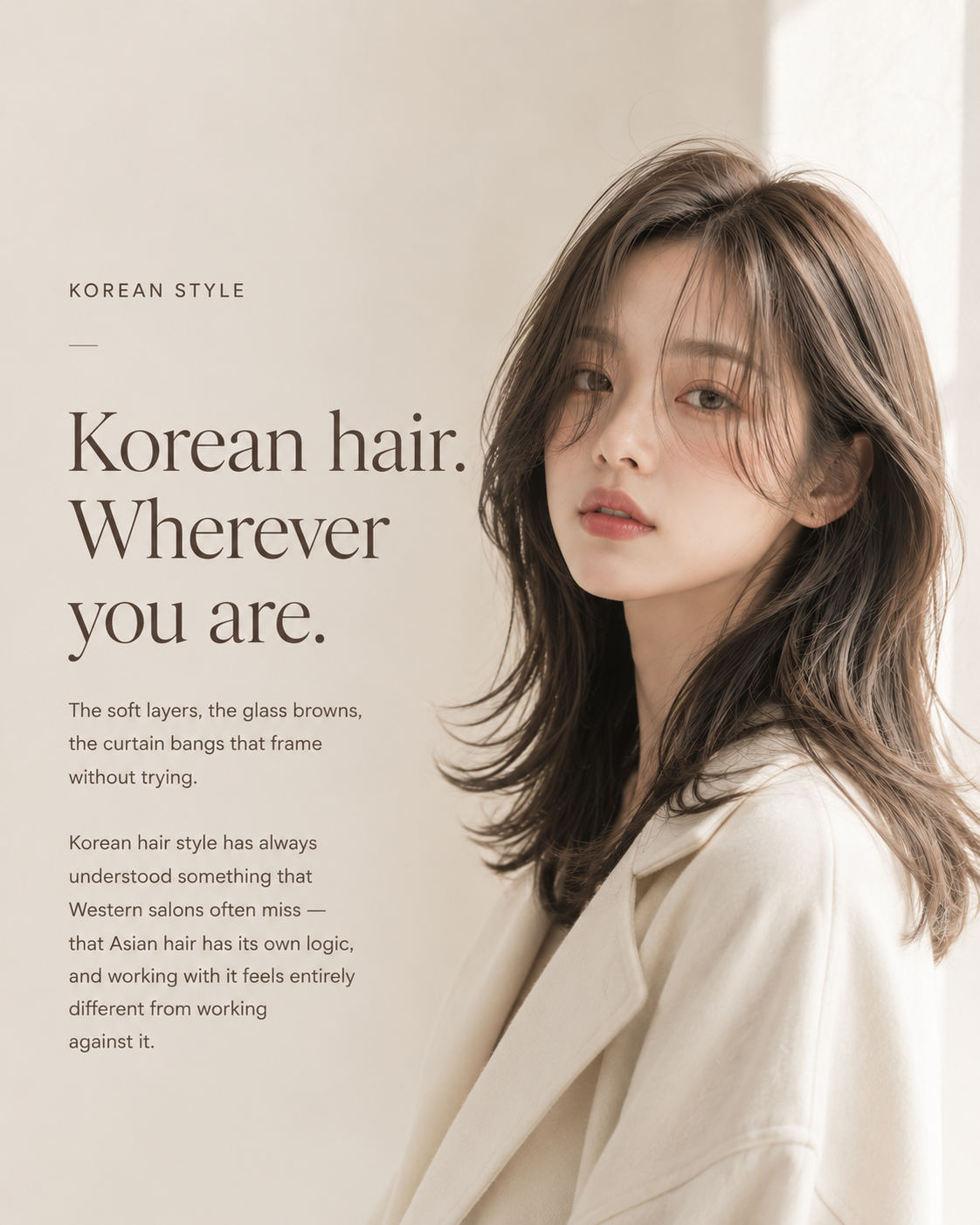
- Korean Style — the broader natural-hair context→
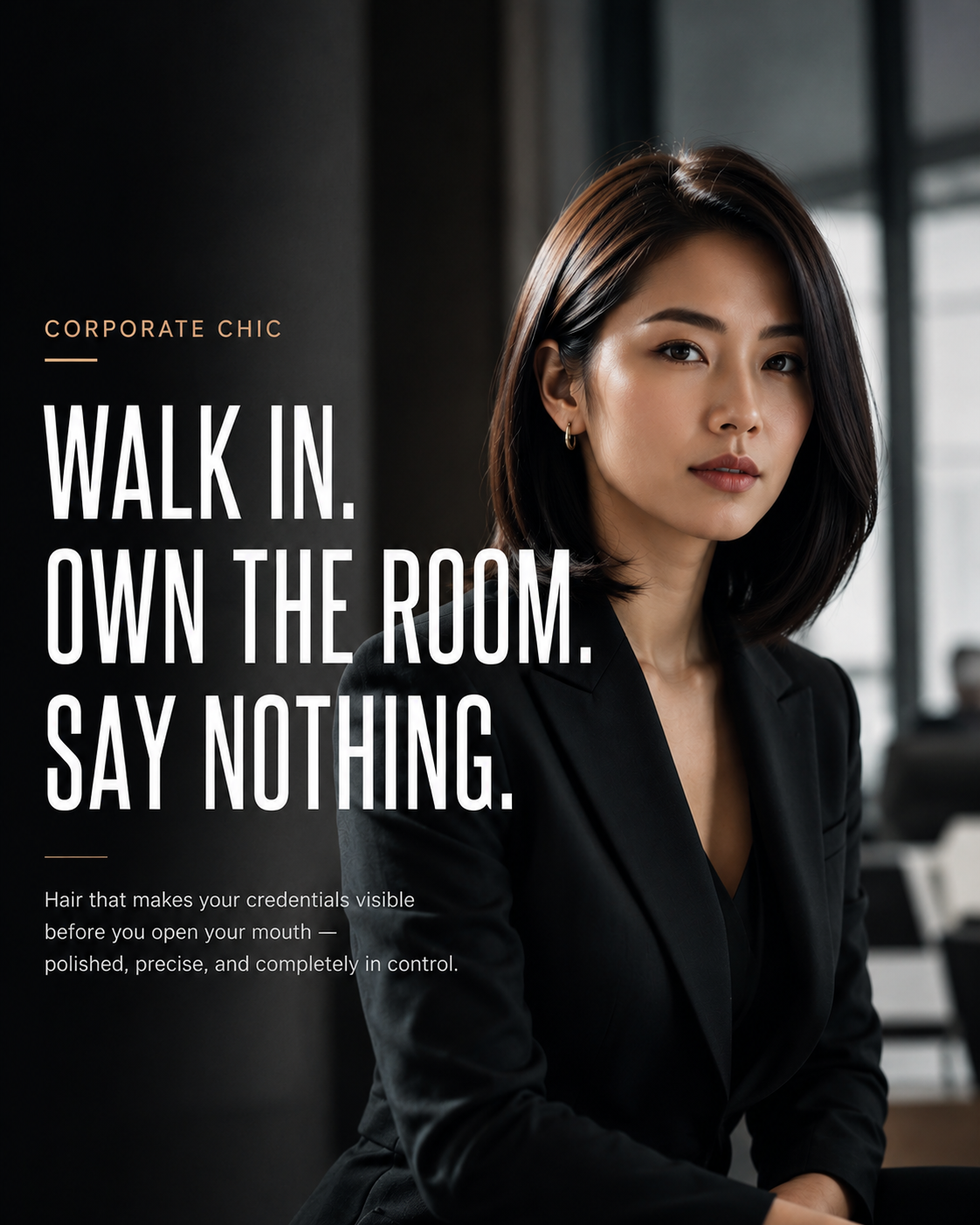
- Corporate Chic — same precision, professional context→
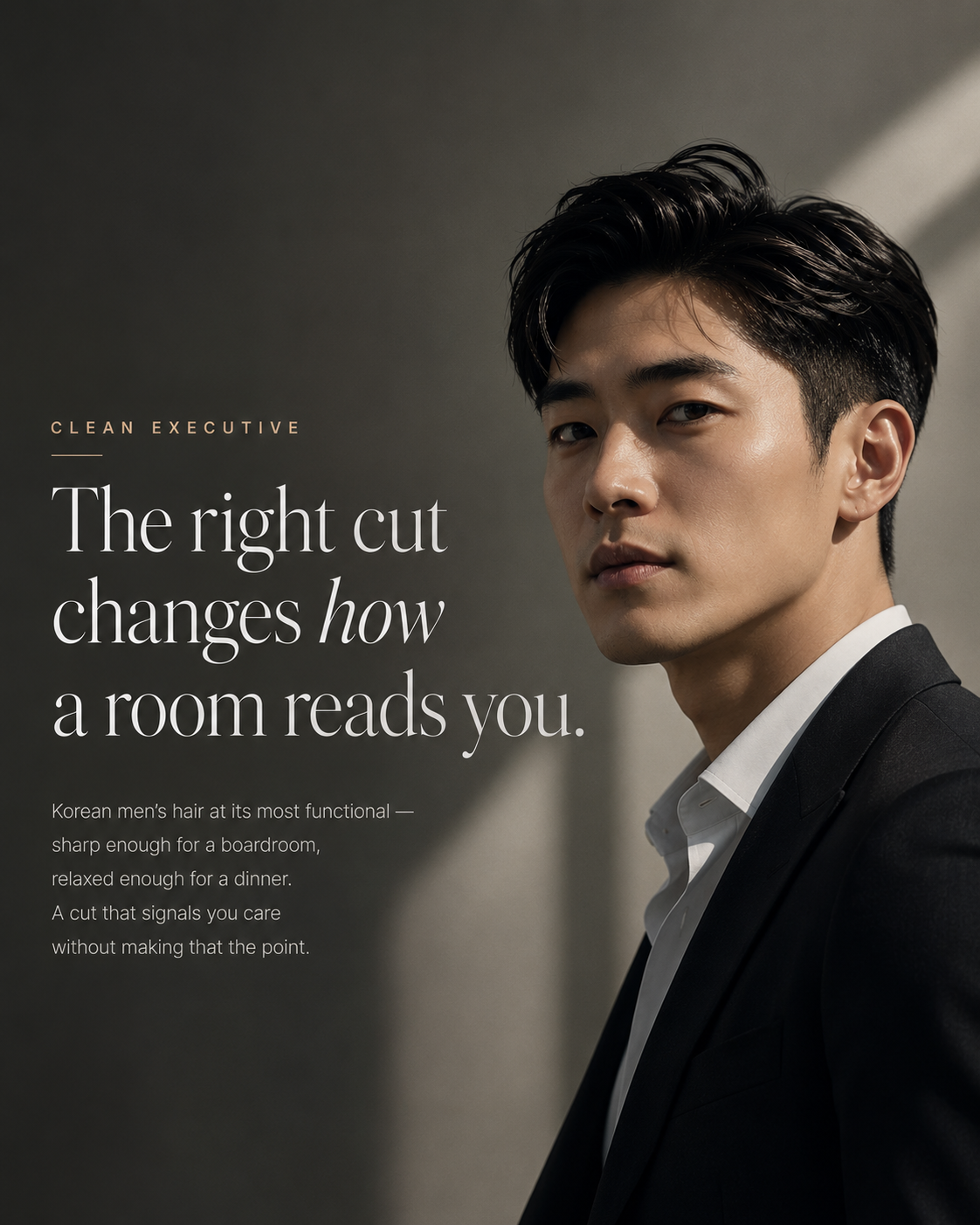
- Clean Executive — the men's low-maintenance counterpart→
- Coming soon: Best Airdry Haircuts for Asian Hair→
- Coming soon: Cuts for Thick Asian Hair→
- Coming soon: Shadow Root Color Guide→
- Coming soon: How to Tell If Your Stylist Cuts for Behavior→
Search the directory by the technique, not the trend.
Each chip opens the directory pre-filtered by a tag that maps to this look. Faster than scrolling — and you only see stylists who tagged themselves for it.
Related hair identities.
Not sure which look fits your face and texture?
Take the Hair Brief and find the look — and the stylist — built for you.